CAPE BRETON REGION I 3 ACADIAN COMMUNITIES
Acadian
Cape Breton
COMMUNITIES
Chéticamp
Isle Madame
Louisbourg
FROM HALIFAX
~4 hours by car
BEST SEASON
May to October
LANGUAGE
Acadian French & English
KNOWN FOR
Cabot Trail Lobster & Snow Crab
Celtic Colors festival
Cape Breton Island is home to three of Nova Scotia's most distinct Acadian communities, each shaped by the ocean, by history, and by a culture that has never stopped singing.
From the dramatic cliffs of the Cabot Trail to the sheltered coves of Isle Madame, this is a region where extraordinary outdoor adventures and deep Acadian roots exist side by side. Choose your community or take the road that connects them all.
CHOOSE YOUR COMMUNITY
Three Acadian Communities,
One Unbroken Culture
Whether you’re looking for spectacular hiking, rich history, vibrant music, or peaceful coastal escapes, these three communities offer unforgettable experiences waiting to be explored.


WHAT MAKES IT UNIQUE
What Cape Breton is known for?
Whether you’re drawn by legendary coastal landscapes, living Acadian culture, fascinating history, or unforgettable ocean adventures, every journey here is built around these four iconic experiences.
Legendary landscapes
The Cabot Trail is one of the most celebrated scenic drives in the world. It loops through the Cape Breton Highlands, hugging cliff edges above the Atlantic and passing through Chéticamp on the western shore. H

A culture that sings
Cape Breton's Acadian communities have never stopped making music. In Chéticamp, fiddle music fills the air year-round and broadcasts on CKJM Community Radio at 106.1 FM. The region's hooked rug tradition, celebrated at Les Trois Pignons, is recognized worldwide as a uniquely Acadian art form.

300 years of stories
The Acadian story spans the Great Deportation, the return, and 400 years of resilience.
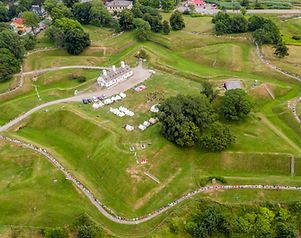
From the 18th-century Fortress of Louisbourg , where French colonial life has been painstakingly reconstructed, to the Acadian families of Isle Madame who escaped the British Deportation by rowboat, Cape Breton holds some of the most dramatic chapters in Acadian history.
Life on the water
Fishing has defined Cape Breton's Acadian communities for centuries. Today, visitors can kayak the 100 coves of Isle Madame, join whale and seabird watching excursions off Chéticamp, or simply watch the lobster boats come in at Petit-de-Grat wharf during season (mid-May to end of June).
FEATURED EXPERIENCES
Road Trips That Pass Across
Acadian Cape Breton
From unforgettable outdoor adventures to immersive cultural experiences, these are the places and moments that visitors remember long after they’ve returned home.
GETTING AROUND
Find Your Way Around Cape Breton
The three communities are connected by some of Cape Breton’s most scenic coastal routes. A car is the best way to explore, allowing you to experience dramatic ocean vistas, charming fishing villages, and unforgettable stops along the way.
Halifax to Chéticamp
~4 hrs
Chéticamp to Isle Madame
~2 hrs
Isle Madame to Louisbourg
~45 mins
Chéticamp to Louisbourg
~2 hrs 30 mins
PLAN YOUR VISIT
Planning Your Cape Breton Visit
Everything you need to know before you arrive.
Getting here
Cape Breton Island is connected to mainland Nova Scotia by the Canso Causeway, about 3.5 hours from Halifax by car. The closest airport is Sydney (J.A. Douglas McCurdy Airport). Chéticamp is approximately 1 hour 45 minutes from Sydney or 2 hours from Port Hawkesbury.
Getting around
A car is essential. The three communities are spread across the island: Chéticamp on the west, Isle Madame in the south, and Louisbourg on the east. Allow at least one full day per community. The Cabot Trail between Chéticamp and the rest of Cape Breton is one of the most scenic drives in Canada; factor in extra time to stop.
Best time to visit
May to October. Lobster season (mid-May to end of June) is magical at the Isle Madame wharves. August brings back-to-back Acadian festivals on Isle Madame. Celtic Colours in October adds a spectacular final chapter. The Cabot Trail in fall foliage (late September–October) is breathtaking.
FR
Language
All three communities are bilingual, French and English spoken. Chéticamp and Petit-de-Grat (Isle Madame) have particularly strong francophone communities. A few words of French, bonjour, merci, Bienvenue, go a long way and are always warmly received.
KEEP EXPLORING
Other Acadian Regions of Nova Scotia
Cape Breton is one of five Acadian regions. Each has its own distinct character and communities.